Connecting founders to industry leaders.
Through labs we put our worldwide network to work alongside founders solving real challenges across energy, food, education and more. Together, through 7 Labs, 16 European projects and 95 international partners, we act as one in Europe.
Energy
LiveAccelerating the energy transition requires more than good ideas, it demands real-world validation and market adoption. The Energy Lab serves as a dedicated testing ground where startups, scale-ups, industry leaders, and government bodies collaborate to test new energy provisions and accelerate sustainable alternatives to market scale.
Powered by 17 active projects and 25 strategic partners, the lab turns sustainable innovation into scalable solutions. One of these initiatives is the Energy Hub Binckhaven, a project specifically focused on solving grid congestion at a physical location.
A live, shared energy system at the heart of the campus. Five SME partners, Unknown Campus and EBG form the core, connecting on-site solar, hybrid battery storage, bidirectional EV charging and a smart microgrid.
It lets founders test energy generation, storage and smart management at real scale, while relieving pressure on the public grid – turning the campus into a working proof of concept for local energy systems.
Partners in this project: Unknown Campus · Euro Battery Group · Lionsville · Powercrumbs · NetBeter · OnzeAuto · Onensys, with Stedin, Shell, TU Delft and TNO.
The other labs ▾


All projects ▾
Energy 17
Food 18
Education 10
Talent & Labour Market 11
Urban City Development 15
Health & Care 8
Finance & Banking 9
Retail & Industrial High-Tech 5
Defence, Security & Peace 5
Unknown global partner network
95+ partners across Europe, North America and Asia. Acting as one.















Frontier Founder Fellowship
The Frontier Founder Fellowship is delivered in collaboration with the Fidelity Center for Applied Technology (FCAT®), an innovation launchpad for Fidelity Investments, to help Europe's visionary frontier founders bring breakthrough technologies to market - from AI and quantum computing to digital identity and next-gen interfaces. It unlocks how advances from across industries can transform the future of the financial world.
Explore the fellowship →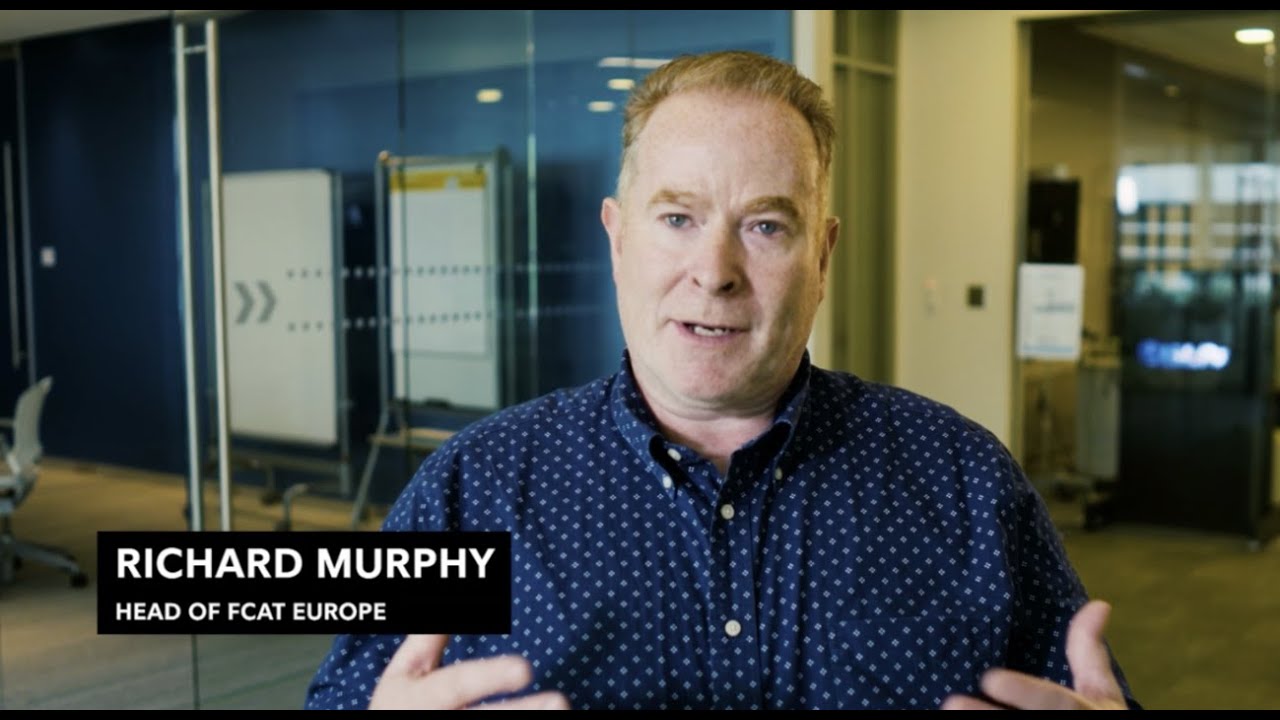 Watch on YouTube
Waste2Plate
Together with EIT Food we support food entrepreneurs who turn the waste and side-streams of food production into value - repurposing by-products that would otherwise go to waste.
Visit Waste2Plate →